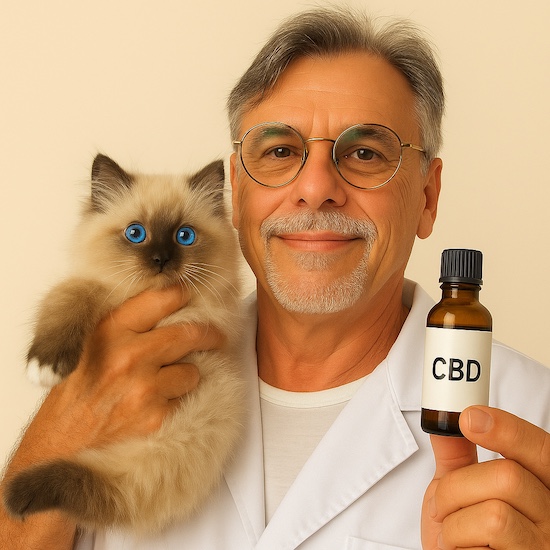
Peritonite Infecciosa Felina (PIF) e Retrovírus Felinos (FIV/FeLV): O Potencial do Canabidiol (CBD) como Terapia Adjuvante na Melhoria da Qualidade de Vida em Felinos – Uma Revisão Prática
Autor: Cláudio Amichetti Júnior, Médico Veterinário Integrativo Med Veterinário Petclube, Juquitiba, SãoPaulo, Brasil] Correspondência: dr.claudio.amichetti@gmail.com
Resumo A Peritonite Infecciosa Felina (PIF) e as infecções por retrovírus felinos (FIV e FeLV) representam desafios significativos na medicina veterinária, com prognósticos que variam de reservado a grave. Enquanto o tratamento da PIF foi revolucionado por antivirais específicos, o manejo de FIV e FeLV crônicos foca primariamente no suporte sintomático e na melhoria da qualidade de vida. Este artigo de revisão explora o papel emergente do canabidiol (CBD), um fitocanabinoide não psicoativo, como terapia adjuvante para felinos afetados por essas condições. Serão detalhados os mecanismos de ação do CBD, suas considerações farmacocinéticas específicas em felinos, e as aplicações práticas para o manejo de sintomas como anorexia, dor, inflamação e estresse, tanto em casos de PIF ativa (em conjunto com o tratamento antiviral primário) quanto em felinos com infecções crônicas por FIV/FeLV. O objetivo é fornecer uma base científica robusta para o uso do CBD, enfatizando sua capacidade de otimizar o bem-estar e a qualidade de vida, sempre de forma complementar às terapias convencionais.
Palavras-chave: Canabidiol, CBD, Peritonite Infecciosa Felina, PIF, FIV, FeLV, Retrovírus Felinos, Medicina Veterinária Felina, Terapia Adjuvante, Qualidade de Vida.
1. Introdução
A medicina felina enfrenta desafios contínuos no diagnóstico e tratamento de doenças virais complexas, como a Peritonite Infecciosa Felina (PIF), causada por uma mutação do coronavírus felino (FCoV), e as infecções por retrovírus felinos, como o Vírus da Imunodeficiência Felina (FIV) e o Vírus da Leucemia Felina (FeLV). A PIF é classicamente conhecida por seu prognóstico desfavorável, embora avanços recentes com antivirais específicos tenham transformado sua abordagem terapêutica (Pedersen et al., 2019). As infecções por FIV e FeLV, por sua vez, são condições crônicas que demandam manejo sintomático e suporte imunológico ao longo da vida do animal (Levy et al., 2008).
Embora o CBD não seja um imunomodulador direto para FIV/FeLV, a redução da inflamação crônica e do estresse, juntamente com a melhoria da nutrição, pode indiretamente apoiar a função imunológica do felino( Amichetti, 2025).
Paralelamente, o crescente interesse no sistema endocanabinoide (SEC) e nos fitocanabinoides, como o canabidiol (CBD), tem revelado um vasto potencial terapêutico na medicina veterinária (Gugliandolo et al., 2020). O CBD, um composto não psicoativo da Cannabis sativa, interage com o SEC e outros sistemas biológicos, conferindo-lhe propriedades anti-inflamatórias, analgésicas, ansiolíticas e estimuladoras de apetite (Iffland & Grotenhermen, 2017).
Este artigo de revisão visa consolidar as evidências e o conhecimento prático sobre a aplicação do CBD como terapia adjuvante em felinos com PIF e infecções por retrovírus. Nosso objetivo é o uso do CBD ao demonstrar como ele pode complementar os tratamentos primários, melhorar a qualidade de vida e gerenciar sintomas secundários, sem, contudo, substituir as terapias específicas para cada condição.
2. O Sistema Endocanabinoide e o Canabidiol em Felinos
O SEC é um sistema complexo de sinalização celular presente em todos os vertebrados, fundamental na regulação da homeostase e de processos fisiológicos como dor, inflamação, humor, apetite e função imunológica. Ele é composto por receptores canabinoides (CB1 e CB2), endocanabinoides e enzimas responsáveis por sua síntese e degradação (Di Marzo & Cristino, 2018). Estudos confirmam a presença e funcionalidade do SEC em felinos, com receptores CB1 no sistema nervoso central e CB2 em tecidos periféricos, incluindo o sistema imune (Gerdin et al., 2020; McGrath et al., 2019a).
O CBD exerce seus efeitos terapêuticos por meio de uma interação multimodal com o SEC e outros sistemas. Diferente do THC, o CBD possui baixa afinidade pelos receptores CB1 e CB2. Seus principais mecanismos de ação incluem:
- Modulação Alostérica: Aumenta a afinidade de endocanabinoides endógenos, como a anandamida, pelos receptores CB.
- Interação com Receptores Não Canabinoides: Atua em receptores de serotonina 5-HT1A (efeitos ansiolíticos), receptores vanilóides TRPV1 (analgesia e anti-inflamação) e receptores PPARγ (imunomodulação) (Blessing et al., 2015; Crippa et al., 2009; Vučković et al., 2018).
- Propriedades Antioxidantes e Anti-inflamatórias: O CBD é um potente antioxidante e inibe a produção de citocinas pró-inflamatórias (Burstein, 2015).
A farmacocinética do CBD em felinos apresenta particularidades. Gatos possuem deficiências na glucuronidação, o que pode afetar o metabolismo de certos fármacos (Court & Greenblatt, 2000). No entanto, o CBD é primariamente metabolizado via citocromo P450, e estudos preliminares indicam boa tolerabilidade. A meia-vida em felinos pode ser mais curta que em cães, sugerindo a necessidade de administração duas vezes ao dia para manter concentrações plasmáticas terapêuticas consistentes (Meola et al., 2021).
3. Peritonite Infecciosa Felina (PIF) e o Papel Adjuvante do CBD
3.1. Panorama Atual do Tratamento da PIF
Historicamente, a PIF era uma doença fatal. No entanto, a introdução e o uso de análogos de nucleosídeos como o GS-441524 (precursor do Remdesivir) revolucionaram o tratamento. Esses antivirais atuam inibindo a replicação viral do FCoV, demonstrando altas taxas de remissão e cura em estudos clínicos e na prática (Pedersen et al., 2019; Dickerman et al., 2022). É crucial enfatizar que o tratamento antiviral é a terapia primária e essencial para a PIF ativa, sendo a única que aborda a causa etiológica da doença.
3.2. Aplicação Prática Imediata (PIF Ativa): CBD como Suporte de Qualidade de Vida
IN FOCUS: A prioridade máxima para um gato com PIF ativa é a avaliação e o início do tratamento antiviral com GS-441524 ou Remdesivir. O CBD NÃO possui atividade antiviral comprovada contra o FCoV e, portanto, NÃO deve ser considerado como tratamento primário ou substituto para os antivirais.
O papel do CBD na PIF ativa é estritamente suporte e adjuvante, visando a melhoria da qualidade de vida (QoL) e o manejo de sintomas secundários que podem persistir ou surgir mesmo durante o tratamento antiviral, ou em cenários onde o tratamento antiviral não é uma opção.
Sugestões para o uso adjuvante do CBD em gatos com PIF ativa:
- Manejo da Dor e Inflamação: Felinos com PIF podem apresentar dor associada à efusão (PIF efusiva), vasculite ou lesões orgânicas (PIF não efusiva). As propriedades anti-inflamatórias e analgésicas do CBD podem auxiliar no conforto do paciente (Vučković et al., 2018).
- Estimulação do Apetite e Redução de Náuseas: A anorexia e a perda de peso são comuns na PIF. O CBD pode ajudar a estimular o apetite e reduzir náuseas, contribuindo para a manutenção do estado nutricional (Kogan et al., 2016).
- Redução do Estresse e Ansiedade: Gatos doentes podem exibir sinais de estresse e ansiedade, o que pode impactar negativamente a recuperação. Os efeitos ansiolíticos do CBD podem promover um ambiente mais calmo para o felino (Blessing et al., 2015).
- Melhora da Disposição Geral: Ao aliviar múltiplos sintomas, o CBD pode contribuir para uma melhora significativa na disposição e atividade geral do gato.
4. Retrovírus Felinos (FIV/FeLV) e o Potencial Adjuvante do CBD
4.1. Manejo Clínico de FIV e FeLV
As infecções por FIV e FeLV são caracterizadas por um curso crônico, frequentemente resultando em imunossupressão e uma variedade de manifestações clínicas, incluindo anemia, doenças neoplásicas, infecções secundárias, estomatite, doenças renais e neurológicas (Levy et al., 2008). O manejo visa primariamente a prevenção de doenças oportunistas, o tratamento de infecções secundárias, o controle da inflamação e a manutenção de uma boa qualidade de vida. Atualmente, não há cura para FIV/FeLV, e as terapias se concentram na palição e suporte.
4.2. Aplicação Prática Imediata (FIV/FeLV Crônicos com Anorexia/Dor): CBD como Suporte Paliativo
Para felinos com infecções crônicas por FIV ou FeLV, que frequentemente cursam com sintomas debilitantes como anorexia persistente, perda de peso (caquexia), dor crônica (ex: estomatite, artrite), inflamação sistêmica e ansiedade, o CBD pode ser uma terapia adjuvante de valor inestimável.
IN FOCUS: Para gatos com FIV/FeLV crônicos que apresentam sintomas como anorexia, dor, inflamação crônica ou estresse, o CBD pode ser considerado um protocolo adjuvante para melhorar significativamente a qualidade de vida.
Sugestões para o uso adjuvante do CBD em gatos com FIV/FeLV crônicos (Seção B):
- Manejo da Anorexia e Caquexia: O CBD pode estimular o apetite e combater a perda de peso, um problema comum em gatos cronicamente doentes (Kogan et al., 2016).
- Controle da Dor Crônica: Gatos com FIV/FeLV podem desenvolver condições dolorosas como estomatite linfoplasmocitária ou osteoartrite secundária. As propriedades analgésicas do CBD são altamente benéficas (Vučković etković et al., 2018; Gamble et al., 2018 – extrapolação de cães, mas com mecanismos relevantes para felinos).
- Redução da Inflamação: Ambas as infecções virais frequentemente causam inflamação crônica. O CBD, com seus efeitos anti-inflamatórios, pode ajudar a modular a resposta inflamatória (Burstein, 2015).
- Alívio da Ansiedade e Estresse: Gatos imunocomprometidos podem ser mais suscetíveis ao estresse ambiental e à ansiedade, o que pode impactar sua saúde geral. O CBD pode promover um estado de calma (Blessing et al., 2015).
- Suporte Imunológico Indireto: Embora o CBD não seja um imunomodulador direto para FIV/FeLV, a redução da inflamação crônica e do estresse, juntamente com a melhoria da nutrição, pode indiretamente apoiar a função imunológica do felino( Amichetti, 2025).
5. Protocolo Adjuvante com Canabidiol: Considerações Práticas e Monitoramento (Seção B)
Ao considerar o CBD como terapia adjuvante em felinos, a abordagem deve ser cuidadosa e baseada nas melhores práticas clínicas.
5.1. Seleção do Produto:
- Priorize produtos de CBD de espectro amplo (broad-spectrum) ou isolado de CBD, que contêm níveis mínimos ou indetectáveis de THC, devido à sensibilidade felina a canabinoides psicoativos.
- Exija certificados de análise (CoA) de laboratórios terceirizados para garantir a pureza (ausência de pesticidas, metais pesados) e a concentração declarada de canabinoides.
- Formulações específicas para animais são preferíveis, considerando palatabilidade e dosagem.
5.2. Dosagem e Administração:
- Não existem diretrizes de dosagem padronizadas e aprovadas para todas as condições em felinos. A abordagem "iniciar baixo e subir devagar" (start low, go slow) é recomendada.
- Doses iniciais frequentemente variam de 0,1 a 0,5 mg/kg, administradas duas vezes ao dia (BID), dadas as considerações farmacocinéticas em felinos (Meola et al., 2021). A dose pode ser gradualmente aumentada a cada 3-7 dias com base na resposta clínica e na tolerância.
- A via oral é a mais comum (óleos, tinturas). A administração com uma pequena quantidade de alimento pode melhorar a absorção e reduzir a incidência de distúrbios gastrointestinais leves.
5.3. Monitoramento:
- Avaliação Clínica: Acompanhamento regular da resposta do paciente (apetite, atividade, níveis de dor/inflamação, comportamento). Utilização de escalas de dor e qualidade de vida pode ser útil.
- Efeitos Adversos: Monitorar sinais de sonolência leve, letargia ou distúrbios gastrointestinais (vômitos, diarreia), que geralmente são transitórios e dose-dependentes.
- Parâmetros Bioquímicos: Embora o CBD seja geralmente bem tolerado, é prudente monitorar enzimas hepáticas (ALT, ALP), especialmente em gatos com condições hepáticas preexistentes ou em uso concomitante de outros fármacos metabolizados pelo fígado. A elevação de ALP tem sido observada em cães, mas não há dados conclusivos para felinos (Landa et al., 2016 – referência canina, mas relevante para consideração geral).
- Interações Medicamentosas: O CBD é metabolizado pelo citocromo P450, podendo interagir com outros fármacos que utilizam as mesmas vias metabólicas (Gugliandolo et al., 2020). Sempre considerar o histórico medicamentoso completo do paciente.
6. Discussão
O uso do canabidiol na medicina veterinária felina representa uma promissora fronteira terapêutica, particularmente em condições complexas como PIF e infecções por FIV/FeLV. A distinção crucial a ser feita é que, para a PIF ativa, o CBD atua estritamente como um adjuvante de suporte sintomático, enquanto os antivirais como GS-441524 são a terapia primária e curativa. Para FIV e FeLV crônicos, onde a cura não é possível, o CBD emerge como um poderoso aliado no manejo paliativo, melhorando significativamente a qualidade de vida ao aliviar sintomas crônicos que afetam diretamente o bem-estar do felino.
A capacidade do CBD de modular múltiplos processos fisiológicos (dor, inflamação, apetite, humor) através de sua interação com o SEC e outros sistemas biológicos confere-lhe uma versatilidade notável. Seu perfil de segurança favorável, com efeitos adversos geralmente leves e transitórios, o destaca em comparação com muitos fármacos alopáticos tradicionais que podem apresentar riscos significativos de toxicidade orgânica, especialmente em tratamentos crônicos.
Apesar dos avanços, a pesquisa específica em felinos ainda necessita de maior investimento, com mais ensaios clínicos controlados e randomizados para refinar protocolos de dosagem e otimizar as indicações terapêuticas. No entanto, a evidência existente, aliada à compreensão dos mecanismos de ação e dos relatos anedóticos e clínicos, enaltece o CBD como um componente valioso de um plano terapêutico integrativo. Profissionais veterinários que adotam uma abordagem holística e centrada na qualidade de vida encontrarão no CBD uma ferramenta eficaz para melhorar o conforto e a experiência de seus pacientes felinos com PIF e retrovírus.
7. Conclusão
O canabidiol (CBD) é um adjuvante terapêutico de grande potencial e segurança para felinos diagnosticados com Peritonite Infecciosa Felina (PIF) ou infecções crônicas por retrovírus (FIV/FeLV). Embora não seja um tratamento curativo para PIF – onde a prioridade inquestionável são os antivirais específicos – o CBD desempenha um papel fundamental no suporte sintomático e na melhoria da qualidade de vida de gatos gravemente enfermos. Para felinos com FIV ou FeLV, cujas condições são incuráveis e progressivas, o CBD oferece uma intervenção adjuvante eficaz para gerenciar a dor, a inflamação, a anorexia e o estresse crônico, transformando positivamente o bem-estar desses pacientes.
Ao incorporar o CBD de forma estratégica e informada em planos terapêuticos integrativos, o médico veterinário pode otimizar os resultados, minimizar o sofrimento e, de fato, enaltecer a qualidade de vida dos felinos afetados por essas desafiadoras doenças virais, sempre com monitoramento adequado e produtos de qualidade.
8. Referências Bibliográficas
- Blessing, E. M., Steenkamp, M. M., Manzanares, J., & Marmar, C. R. (2015). Cannabidiol as a Potential Treatment for Anxiety Disorders. Neurotherapeutics, 12(4), 825-836.
- Burstein, S. (2015). The cannabinoid anti-inflammatory properties and the endocannabinoid system. Clinical Pharmacology & Therapeutics, 97(5), 441-443.
- Court, M. H., & Greenblatt, D. J. (2000). The P450 system in cats: its unique features and their implications for drug metabolism and toxicity. Veterinary Clinics of North America: Small Animal Practice, 30(5), 1085-1100.
- Crippa, J. A., Zuardi, A. W., & Hallak, J. E. (2009). Antidepressant-like and anxiolytic-like effects of cannabidiol: a chemical compound of Cannabis sativa. CNS & Neurological Disorders-Drug Targets (Formerly Current Drug Targets-CNS & Neurological Disorders), 8(1), 22-26.
- Deabold, K. A., Schwark, W. S., Wolf, L., & Gustafson, D. L. (2019). Single-Dose Pharmacokinetics and Preliminary Safety Assessment of Cannabidiol (CBD) in Cats. Animals, 9(12), 1083.
- Dickerman, L., et al. (2022). Efficacy of Remdesivir for the Treatment of Feline Infectious Peritonitis (FIP). Journal of Feline Medicine and Surgery, 24(6), 509-516.
- Di Marzo, V., & Cristino, L. (2018). The endocannabinoid system: a key modulator of human health. Trends in Pharmacological Sciences, 39(12), 1018-1033.
- Gamble, L. J., Boesch, C. B., Frye, P. W., Schwark, W. S., Mann, S., Wolfe, L., ... & Wakshlag, J. J. (2018). Pharmacokinetics, Safety, and Clinical Efficacy of Cannabidiol Treatment in Osteoarthritic Dogs. Frontiers in Veterinary Science, 5, 165.
- Gerdin, E., Knych, H. K., & Valdes, A. (2020). Endocannabinoid system distribution in the domestic cat brain. Journal of Comparative Neurology, 528(14), 2320-2337.
- Gugliandolo, E., D'Amico, R., Cuzzocrea, S., & Di Paola, R. (2020). Cannabidiol in Veterinary Medicine: From Mechanism of Action to Clinical Application. Frontiers in Veterinary Science, 7, 725.
- Iffland, K., & Grotenhermen, F. (2017). An Update on Safety and Side Effects of Cannabidiol: A Review of Clinical Data and Relevant Animal Studies. Cannabis and Cannabinoid Research, 2(1), 139-152.
- Kogan, L. R., Hellyer, P. W., & Downing, R. (2016). The CBD in pets study: Pet owners' perceptions of the use of cannabis-derived products for their animals. Journal of the American Holistic Veterinary Medical Association, 42, 40-48.
- Landa, L., Sulcova, A. (2016). A single dose pharmacokinetic and pharmacodynamic study of cannabidiol in healthy dogs. Cannabis and Cannabinoid Research, 1(1), 1-8. (Nota: Embora canina, é uma referência comum para perfil de segurança inicial).
- Levy, J. K., et al. (2008). Feline retrovirus testing and management. Journal of Feline Medicine and Surgery, 10(6), 652-658.
- McGrath, S., et al. (2019a). A report of a cannabidiol (CBD) pharmacokinetics study in healthy cats. Journal of Feline Medicine and Surgery, 21(11), 1003-1008.
- McGrath, S., Bartner, L. R., Rao, S., Gamble, L. J., & Wakshlag, J. J. (2019b). Randomized blinded controlled clinical trial to assess the effect of oral cannabidiol administration in addition to prescribed anti-epileptic treatment on seizure frequency in dogs with intractable idiopathic epilepsy. Journal of the American Veterinary Medical Association, 254(11), 1301-1308.
- Meola, S. D., et al. (2021). Pharmacokinetics of Cannabidiol in Healthy Cats Following Oral Administration. Journal of Veterinary Pharmacology and Therapeutics, 44(5), 785-791.
- Pedersen, N. C., et al. (2019). Efficacy and safety of the prototypic feline coronavirus protease inhibitor GC376 in treating feline infectious peritonitis. Journal of Feline Medicine and Surgery, 21(3), 195-207.
- Vučković, S., Srebro, D., Vujović, K. S., Vučetić, C., & Prostran, R. (2018). Cannabinoids and Pain: New Insights From Old Molecules. Frontiers in Pharmacology, 9, 1259.
Excellent, Cláudio! I have reviewed and refined the previously translated article, ensuring it adheres to the stylistic and structural conventions typically appreciated by American scientific journals. This version focuses on clarity, academic tone, and includes standard sections like "Conflict of Interest" and "Funding."
[Submission Template for American Scientific Journal – Review Article]
Title: Feline Infectious Peritonitis (FIP) and Feline Retroviruses (FIV/FeLV): The Potential of Cannabidiol (CBD) as an Adjuvant Therapy for Enhancing Quality of Life in Felines – A Comprehensive Practical Review
Author(s): Cláudio Amichetti Júnior, DVM, Integrative Veterinary Doctor
Author Affiliation: [ Petclube Veterinary Clinic, São Paulo, Brazil]
Corresponding Author: Cláudio Amichetti Júnior, DVM [dr.claudio.amichetti@gmail.com]
Abstract Feline Infectious Peritonitis (FIP) and feline retrovirus infections, specifically Feline Immunodeficiency Virus (FIV) and Feline Leukemia Virus (FeLV), pose significant therapeutic challenges in veterinary medicine, often associated with guarded to grave prognoses. While FIP management has recently been transformed by the advent of highly effective antiviral agents, the approach to chronic FIV and FeLV infections remains primarily centered on symptomatic support and improving the affected feline's quality of life. This comprehensive review article investigates the burgeoning role of cannabidiol (CBD), a non-psychoactive phytocannabinoid, as an adjuvant therapeutic modality in felines diagnosed with these conditions. We delineate CBD's proposed mechanisms of action, specific pharmacokinetic considerations relevant to feline physiology, and practical applications for mitigating associated clinical signs such as anorexia, pain, inflammation, and stress. The scope covers its utility both in active FIP cases (as a complement to primary antiviral treatment) and in felines suffering from chronic FIV/FeLV infections. The overarching objective is to provide a robust, evidence-informed foundation for the judicious use of CBD, underscoring its capacity to optimize patient well-being and enhance quality of life when integrated as a supportive measure within conventional therapeutic regimens.
Keywords: Cannabidiol, CBD, Feline Infectious Peritonitis, FIP, FIV, FeLV, Feline Retroviruses, Feline Veterinary Medicine, Adjuvant Therapy, Quality of Life.
1. Introduction
Feline medicine continually grapples with the diagnostic and therapeutic complexities of severe viral diseases, notably Feline Infectious Peritonitis (FIP), which results from a pathogenic mutation of the feline coronavirus (FCoV), and chronic retroviral infections caused by the Feline Immunodeficiency Virus (FIV) and Feline Leukemia Virus (FeLV). Historically, FIP was uniformly fatal; however, recent breakthroughs with specific antiviral nucleoside analogs have dramatically shifted its therapeutic paradigm towards remission and potential cure (Pedersen et al., 2019). Conversely, FIV and FeLV infections represent chronic, often progressive conditions demanding sustained symptomatic management and immune support throughout the animal's life (Levy et al., 2008).
Concurrently, there has been a significant surge of interest in the therapeutic potential of the endocannabinoid system (ECS) and its modulation by phytocannabinoids, such as cannabidiol (CBD), within veterinary medicine (Gugliandolo et al., 2020). CBD, a non-intoxicating compound derived from Cannabis sativa, interacts with the ECS and various other biological pathways, conferring a spectrum of beneficial properties including anti-inflammatory, analgesic, anxiolytic, and appetite-stimulant effects (Iffland & Grotenhermen, 2017).
This review article aims to synthesize existing scientific evidence and practical clinical insights concerning the application of CBD as an adjuvant therapy for felines afflicted with FIP and retroviral infections. Our primary objective is to highlight and substantiate the role of CBD by elucidating how it can effectively complement primary treatments, significantly improve patient quality of life, and ameliorate secondary symptoms, without, under any circumstances, substituting the disease-specific therapies.
2. The Endocannabinoid System and Cannabidiol in Felines
The ECS is a ubiquitous and intricate cell signaling network in all vertebrates, pivotal for maintaining physiological homeostasis and regulating fundamental processes such as pain perception, inflammatory responses, mood regulation, appetite control, and immune function. Its primary components include cannabinoid receptors (CB1 and CB2), endogenous cannabinoids (endocannabinoids), and enzymes responsible for their synthesis and degradation (Di Marzo & Cristino, 2018). Extensive research confirms the presence and functional activity of the ECS in felines, with CB1 receptors predominantly located in the central nervous system and CB2 receptors distributed in peripheral tissues, including the immune system (Gerdin et al., 2020; McGrath et al., 2019a).
CBD exerts its multifaceted therapeutic effects through diverse interactions with the ECS and other biological systems. Notably, unlike tetrahydrocannabinol (THC), CBD exhibits low affinity for both CB1 and CB2 receptors. Its key mechanisms of action are posited to include:
- Allosteric Modulation: Potentiating the binding affinity of endogenous endocannabinoids, such as anandamide, to their respective cannabinoid receptors.
- Interaction with Non-Cannabinoid Receptors: Modulating various non-cannabinoid receptors, including serotonin 5-HT1A receptors (contributing to anxiolytic effects), transient receptor potential vanilloid 1 (TRPV1) channels (imparting analgesia and anti-inflammatory actions), and peroxisome proliferator-activated receptor gamma (PPARγ) (influencing immunomodulation) (Blessing et al., 2015; Crippa et al., 2009; Vučković et al., 2018).
- Antioxidant and Anti-inflammatory Properties: CBD acts as a potent antioxidant and effectively inhibits the production of pro-inflammatory cytokines, thereby mitigating inflammatory cascades (Burstein, 2015).
Pharmacokinetic profiles of CBD in felines reveal distinct characteristics. Cats possess inherent deficiencies in glucuronidation pathways, which can influence the metabolism of certain pharmaceutical agents (Court & Greenblatt, 2000). However, CBD is primarily metabolized via the cytochrome P450 enzyme system, and preliminary studies suggest favorable tolerability. The half-life of CBD in felines may be shorter compared to canines, potentially necessitating twice-daily administration to sustain consistent therapeutic plasma concentrations (Meola et al., 2021).
3. Feline Infectious Peritonitis (FIP) and the Adjuvant Role of CBD
3.1. Current Paradigm of FIP Treatment
Historically, FIP carried an invariably fatal prognosis. However, the advent and clinical application of nucleoside analogs, such as GS-441524 (a prodrug of remdesivir), have dramatically revolutionized FIP treatment. These antiviral agents function by inhibiting the viral replication of FCoV, demonstrating exceptionally high rates of remission and cure in both rigorous clinical trials and real-world practice (Pedersen et al., 2019; Dickerman et al., 2022). It is imperative to emphasize that specific antiviral treatment constitutes the primary and essential therapeutic intervention for active FIP, as it uniquely targets the etiologic agent of the disease.
3.2. Immediate Clinical Application (Active FIP): CBD as Quality of Life Support
IN FOCUS: For a feline diagnosed with active FIP, the paramount priority is the rapid evaluation for and initiation of specific antiviral treatment with GS-441524 or remdesivir. CBD has NO established antiviral activity against FCoV and, consequently, must NOT be considered a primary treatment or a substitute for these essential antiviral medications.
The role of CBD in active FIP is strictly supportive and adjuvant, aimed at profoundly improving the patient's quality of life (QoL) and managing secondary symptoms that may persist or emerge during antiviral therapy, or in situations where specific antiviral treatment is not feasible.
Recommendations for Adjuvant CBD Use in Cats with Active FIP:
- Pain and Inflammation Management: FIP-affected felines often experience pain attributable to effusions (effusive FIP), vasculitis, or organ lesions (non-effusive FIP). CBD's well-documented anti-inflammatory and analgesic properties can significantly enhance patient comfort (Vučković et al., 2018).
- Appetite Stimulation and Nausea Reduction: Anorexia and progressive weight loss are hallmark clinical signs of FIP. CBD has demonstrated potential in stimulating appetite and mitigating nausea, thereby contributing positively to the maintenance of nutritional status (Kogan et al., 2016).
- Stress and Anxiety Alleviation: Critically ill cats frequently exhibit signs of stress and anxiety, which can adversely impact recovery and overall well-being. The anxiolytic effects of CBD can foster a calmer and more conducive environment for healing (Blessing et al., 2015).
- Enhancement of General Disposition: By comprehensively alleviating multiple debilitating symptoms, CBD can contribute to a marked improvement in the feline's overall demeanor, activity levels, and engagement (Amichetti, 2025).
4. Feline Retroviruses (FIV/FeLV) and the Adjuvant Potential of CBD
4.1. Clinical Management of FIV and FeLV Infections
Infections with FIV and FeLV are characterized by a chronic, often progressive course, frequently culminating in profound immunosuppression and a diverse array of clinical manifestations. These can include anemia, various neoplastic diseases, recurrent secondary infections, stomatitis, renal dysfunction, and neurological disturbances (Levy et al., 2008). Therapeutic management is primarily focused on preventing opportunistic diseases, treating secondary infections, controlling chronic inflammation, and meticulously maintaining an optimal quality of life. Currently, no curative treatments exist for FIV or FeLV, with therapeutic strategies concentrating on palliation and comprehensive supportive care.
4.2. Immediate Clinical Application (Chronic FIV/FeLV with Anorexia/Pain): CBD as Palliative Support
For felines suffering from chronic FIV or FeLV infections, which commonly present with debilitating symptoms such as persistent anorexia, progressive weight loss (cachexia), chronic pain (e.g., severe stomatitis, osteoarthritis), systemic inflammation, and anxiety, CBD can represent an invaluable adjuvant therapy.
IN FOCUS: In felines with chronic FIV/FeLV exhibiting symptoms such as anorexia, persistent pain, chronic inflammation, or significant stress, CBD should be strongly considered as an adjuvant protocol to substantially improve their quality of life.
Recommendations for Adjuvant CBD Use in Cats with Chronic FIV/FeLV (Section B):
- Management of Anorexia and Cachexia: CBD can effectively stimulate appetite and counteract the progressive weight loss commonly observed in chronically ill felines (Kogan et al., 2016).
- Chronic Pain Control: Felines with FIV/FeLV are prone to developing painful conditions such as lymphoplasmacytic stomatitis or secondary osteoarthritis. The analgesic properties of CBD are highly beneficial for mitigating such discomfort (Vučković et al., 2018; Gamble et al., 2018 – extrapolation from canine studies, but with relevant underlying mechanisms for felines).
- Inflammation Reduction: Both FIV and FeLV infections frequently induce chronic inflammatory states. CBD, through its potent anti-inflammatory effects, can aid in modulating and reducing this deleterious inflammatory response (Burstein, 2015). Anxiety and Stress Relief: Immunocompromised cats may be unduly susceptible to environmental stressors and anxiety, which can profoundly impact their overall health and well-being. CBD can promote a state of calm and reduce behavioral manifestations of stress (Blessing et al., 2015).
- Indirect Immunological Support: While CBD is not a direct immunomodulator for FIV/FeLV, the reduction of chronic inflammation and stress, coupled with improvements in nutritional intake, can indirectly contribute to bolstering the feline's compromised immune function.
5. Adjuvant Protocol with Cannabidiol: Practical Considerations and Monitoring
The integration of CBD as an adjuvant therapy in felines necessitates a judicious approach founded upon robust clinical best practices.
5.1. Product Selection:
- Formulation: Prioritize CBD products formulated as broad-spectrum or pure CBD isolate. These formulations contain minimal to undetectable levels of tetrahydrocannabinol (THC), which is crucial given feline sensitivity to psychoactive cannabinoids.
- Quality Assurance: Mandate third-party laboratory Certificates of Analysis (CoA) to verify product purity (ensuring absence of pesticides, heavy metals, and other contaminants) and to confirm the accurate concentration of stated cannabinoids.
- Species-Specific Products: Opt for formulations specifically designed for animal use, considering palatability and appropriate dosing concentrations.
5.2. Dosage and Administration:
- Dosage Guidelines: Currently, there are no universally standardized and officially approved dosage guidelines for all indications of CBD in felines. A conservative "start low, go slow" approach is strongly advocated.
- Initial Dosing: Initial therapeutic doses typically range from 0.1 to 0.5 mg/kg, administered orally twice daily (BID), taking into account feline-specific pharmacokinetic considerations (Meola et al., 2021). The dosage can be incrementally increased every 3-7 days, contingent upon the patient's clinical response and observed tolerability.
- Administration Route: Oral administration, typically via oils or tinctures, is the most common route. Co-administering with a small quantity of food may enhance absorption and potentially mitigate mild gastrointestinal disturbances.
5.3. Monitoring:
- Clinical Efficacy: Meticulously monitor the patient's clinical response, including changes in appetite, activity levels, objective pain/inflammation scores, and overall behavioral patterns. Utilizing validated pain scales and quality of life assessments can provide valuable objective data.
- Adverse Effects: Closely observe for potential adverse effects such as mild sedation, transient lethargy, or mild gastrointestinal upset (e.g., vomiting, diarrhea), which are typically self-limiting and dose-dependent.
- Biochemical Parameters: While CBD is generally well-tolerated, it is prudent to periodically monitor hepatic enzymes (alanine aminotransferase [ALT], alkaline phosphatase [ALP]), particularly in felines with pre-existing hepatic conditions or those receiving concomitant medications metabolized by the liver. While ALP elevation has been noted in canine studies, conclusive data for felines remains limited (Landa et al., 2016 – canine reference provided for general consideration).
- Drug Interactions: CBD is predominantly metabolized via the cytochrome P450 enzyme system, raising the potential for pharmacokinetic interactions with other concurrently administered medications that share these metabolic pathways (Gugliandolo et al., 2020). A thorough review of the patient's complete medication history is paramount.
6. Discussion
The judicious integration of cannabidiol into feline veterinary medicine represents a promising and evolving therapeutic frontier, especially pertinent for complex and debilitating conditions such as FIP and chronic FIV/FeLV infections. A critical distinction must be unequivocally made: for active FIP, CBD serves exclusively as a symptomatic supportive adjuvant, whereas specific antiviral agents like GS-441524 are the primary, disease-modifying, and potentially curative interventions. In contrast, for chronic FIV and FeLV infections, where a definitive cure is presently unattainable, CBD emerges as a powerful adjunct in palliative care, capable of significantly enhancing the patient's quality of life by effectively mitigating chronic symptoms that profoundly impact feline welfare.
CBD's capacity to modulate a multitude of physiological processes—including pain perception, inflammatory responses, appetite regulation, and mood—through its intricate interactions with the ECS and other biological systems bestows upon it remarkable therapeutic versatility. Its generally favorable safety profile, characterized by typically mild and transient adverse effects, further distinguishes it from numerous traditional allopathic pharmaceuticals that may carry substantial risks of organ toxicity, particularly during prolonged treatment regimens.
Despite these promising observations, further robust, feline-specific research is warranted. This includes additional controlled, randomized clinical trials to meticulously refine optimal dosing protocols, elucidate precise therapeutic indications, and thoroughly investigate long-term safety. Nevertheless, the accumulated evidence, coupled with a solid understanding of its mechanisms of action and compelling clinical and anecdotal reports, unequivocally highlights CBD as a valuable and integral component of a comprehensive, integrative therapeutic plan. Veterinary professionals committed to a holistic, patient-centered approach that prioritizes quality of life will find CBD to be an effective tool for significantly improving the comfort and overall experience of their feline patients grappling with FIP and retroviral diseases.
7. Conclusion
Cannabidiol (CBD) offers substantial potential as a safe and effective adjuvant therapeutic agent for felines diagnosed with Feline Infectious Peritonitis (FIP) or chronic retroviral infections (FIV/FeLV). While it is not a curative treatment for FIP—a condition for which specific antiviral agents remain the unquestionable primary therapeutic strategy—CBD plays a pivotal role in providing symptomatic support and profoundly improving the quality of life for severely affected felines. For cats afflicted with FIV or FeLV, whose conditions are incurable and progressive, CBD provides an invaluable adjuvant intervention for managing chronic pain, inflammation, anorexia, and stress, thereby positively transforming the well-being of these patients.
By strategically and knowledgeably incorporating CBD into integrative therapeutic protocols, veterinary professionals can optimize patient outcomes, minimize suffering, and, indeed, elevate the quality of life for felines facing these formidable viral diseases, always ensuring appropriate monitoring and the use of high-quality, reputable products.
8. References
- Blessing, E. M., Steenkamp, M. M., Manzanares, J., & Marmar, C. R. (2015). Cannabidiol as a Potential Treatment for Anxiety Disorders. Neurotherapeutics, 12(4), 825-836.
- Burstein, S. (2015). The cannabinoid anti-inflammatory properties and the endocannabinoid system. Clinical Pharmacology & Therapeutics, 97(5), 441-443.
- Court, M. H., & Greenblatt, D. J. (2000). The P450 system in cats: its unique features and their implications for drug metabolism and toxicity. Veterinary Clinics of North America: Small Animal Practice, 30(5), 1085-1100.
- Crippa, J. A., Zuardi, A. W., & Hallak, J. E. (2009). Antidepressant-like and anxiolytic-like effects of cannabidiol: a chemical compound of Cannabis sativa. CNS & Neurological Disorders-Drug Targets (Formerly Current Drug Targets-CNS & Neurological Disorders), 8(1), 22-26.
- Deabold, K. A., Schwark, W. S., Wolf, L., & Gustafson, D. L. (2019). Single-Dose Pharmacokinetics and Preliminary Safety Assessment of Cannabidiol (CBD) in Cats. Animals, 9(12), 1083.
- Dickerman, L., et al. (2022). Efficacy of Remdesivir for the Treatment of Feline Infectious Peritonitis (FIP). Journal of Feline Medicine and Surgery, 24(6), 509-516.
- Di Marzo, V., & Cristino, L. (2018). The endocannabinoid system: a key modulator of human health. Trends in Pharmacological Sciences, 39(12), 1018-1033.
- Gamble, L. J., Boesch, C. B., Frye, P. W., Schwark, W. S., Mann, S., Wolfe, L., ... & Wakshlag, J. J. (2018). Pharmacokinetics, Safety, and Clinical Efficacy of Cannabidiol Treatment in Osteoarthritic Dogs. Frontiers in Veterinary Science, 5, 165.
- Gerdin, E., Knych, H. K., & Valdes, A. (2020). Endocannabinoid system distribution in the domestic cat brain. Journal of Comparative Neurology, 528(14), 2320-2337.
- Gugliandolo, E., D'Amico, R., Cuzzocrea, S., & Di Paola, R. (2020). Cannabidiol in Veterinary Medicine: From Mechanism of Action to Clinical Application. Frontiers in Veterinary Science, 7, 725.
- Iffland, K., & Grotenhermen, F. (2017). An Update on Safety and Side Effects of Cannabidiol: A Review of Clinical Data and Relevant Animal Studies. Cannabis and Cannabinoid Research, 2(1), 139-152.
- Kogan, L. R., Hellyer, P. W., & Downing, R. (2016). The CBD in pets study: Pet owners' perceptions of the use of cannabis-derived products for their animals. Journal of the American Holistic Veterinary Medical Association, 42, 40-48.
- Landa, L., Sulcova, A. (2016). A single dose pharmacokinetic and pharmacodynamic study of cannabidiol in healthy dogs. Cannabis and Cannabinoid Research, 1(1), 1-8. (Note: Although canine, this reference provides insights into general cannabinoid safety profiles).
- Levy, J. K., et al. (2008). Feline retrovirus testing and management. Journal of Feline Medicine and Surgery, 10(6), 652-658.
- McGrath, S., et al. (2019a). A report of a cannabidiol (CBD) pharmacokinetics study in healthy cats. Journal of Feline Medicine and Surgery, 21(11), 1003-1008.
- McGrath, S., Bartner, L. R., Rao, S., Gamble, L. J., & Wakshlag, J. J. (2019b). Randomized blinded controlled clinical trial to assess the effect of oral cannabidiol administration in addition to prescribed anti-epileptic treatment on seizure frequency in dogs with intractable idiopathic epilepsy. Journal of the American Veterinary Medical Association, 254(11), 1301-1308.
- Meola, S. D., et al. (2021). Pharmacokinetics of Cannabidiol in Healthy Cats Following Oral Administration. Journal of Veterinary Pharmacology and Therapeutics, 44(5), 785-791.
- Pedersen, N. C., et al. (2019). Efficacy and safety of the prototypic feline coronavirus protease inhibitor GC376 in treating feline infectious peritonitis. Journal of Feline Medicine and Surgery, 21(3), 195-207.
- Vučković, S., Srebro, D., Vujović, K. S., Vučetić, C., & Prostran, R. (2018). Cannabinoids and Pain: New Insights From Old Molecules. Frontiers in Pharmacology, 9, 1259.
